Model a simple request during an ordinary moment, respond when your child uses it in any clear form, and make help or a break available without requiring perfect words.
A useful request needs a useful response
A child who asks for help is sharing information about what they need. If the answer is always “try harder,” the phrase may not feel very useful. Decide what a request will lead to: opening a lid together, showing the next step, or pausing the activity.
The request does not need to sound the same every time. A familiar gesture, picture, or spoken word can communicate a need. Respond to what you understand and offer a way to clarify when you are unsure.
Model it without setting a trap
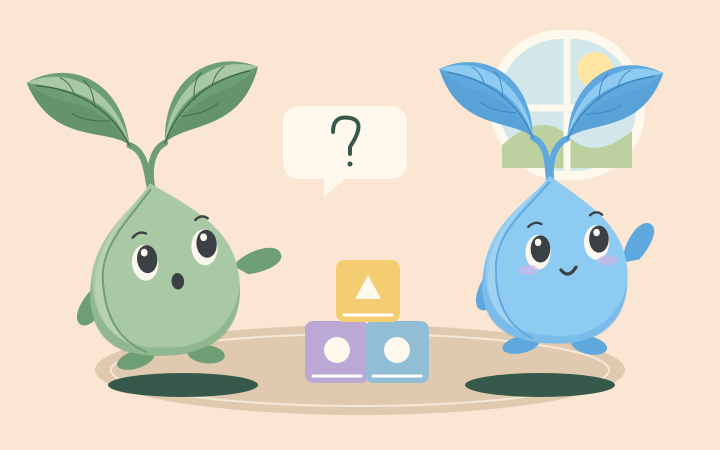
You do not need to hide a favorite item or deliberately make a task frustrating. Use a difficulty that occurs naturally, or let a toy ask another toy for assistance.
- Model your own request: “This lid is tricky. Help, please.”
- Show the child’s familiar gesture or symbol if that is part of their system.
- Pause without demanding imitation.
- Respond to a request by helping or making space to stop.
- Later, offer another ordinary opportunity without turning it into a drill.
Make the meaning of a break clear
A break might mean putting the activity aside, moving somewhere comfortable, or being together quietly. Ask rather than assume. Explain what will happen next when your child is ready, without using the break as a reward they must earn.
If requests are hard to recognize, share observations with the people who support the child. A consistent response across home and school can be a useful topic for a collaborative conversation.
Carry the request into more than one activity
Once a request is familiar in one situation, look for a natural opportunity somewhere else. “Help” at the toy box might also be useful with a coat. Keep the response recognizable: acknowledge the request and offer practical assistance. You do not need to test whether the child remembers the phrase.
Notice whether the request means “do it with me,” “show me,” or “do this part for me.” Offer a simple choice if you are unsure. Asking for assistance is compatible with independence; the child can direct the support they need instead of being expected to manage every step alone.
A place for Bloomly in everyday communication practice
Bloomly’s planned activities make asking for help and taking breaks part of the experience. A grown-up could model a familiar request during a story or game and then use the same response during an ordinary household activity.
The useful connection is the message and the response, not repeating an exact line from a screen. If an activity stops being comfortable, pause it. Bloomly is being built with short sessions and adjustable settings so families can explore these moments at a pace that fits, without treating completion as the only goal.
Questions families ask
What if my child pushes the activity away?
Treat that as information. Pause and clarify whether they want help, a break, or to finish. You can model a clearer signal while still responding to the current one.
Should I wait for the exact words before giving help?
No. Respond to the message you understand. You can model a familiar word, gesture, or symbol while still helping, rather than withholding support until the request is perfect.
General educational information from Bloomly. For individualized guidance, talk with a qualified professional who knows your child.
A little something is growing.
Bloomly is being built around everyday communication practice, including asking for help and taking breaks. Join the early-access list.
Join the waitlist In development for iPhone and iPad. No payment or commitment.