Little ideas.
Room to grow.
For big feelings, everyday adventures, and all the wonderfully different ways kids learn.
11 stories
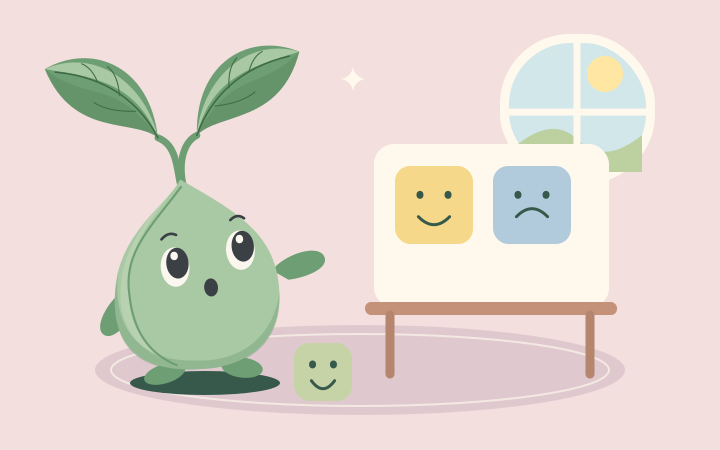
Helping kids name big feelings, without turning it into a quiz
Simple ways to explore feelings through stories, play, and everyday moments, including options that do not require speech.
Read the story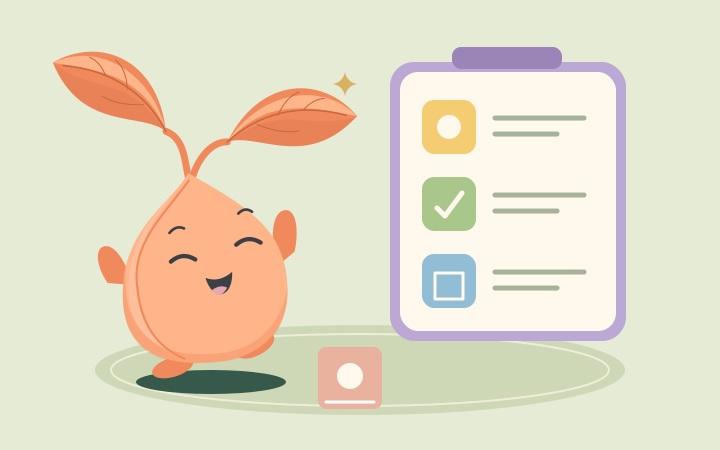
How to make a visual routine your child can actually use
A practical starting point for a small visual routine, with simple pictures, flexible steps, and ways to adapt it with your child.
Read the story
Leaving a favorite activity: a gentler way to handle transitions
Ways to prepare for activity changes, make endings understandable, and notice what makes a transition difficult.
Read the story
A sensory-friendly play space starts with your child’s preferences
A thoughtful way to adjust light, sound, movement, and clutter without assuming every child needs the same kind of calm.
Read the story
Communication beyond speech: making room for gestures, pictures, and AAC
An introduction to different ways children communicate and how adults can respond without requiring spoken words.
Read the story
How to practice “help” and “break” in everyday play
Low-pressure ideas for practicing help and break requests while respecting the ways your child already communicates.
Read the story
Five playful ways to practice everyday skills together
Simple play invitations for choices, routines, communication, and flexible thinking, with room for your child to lead.
Read the story
How to choose a learning app for a child who learns differently
A practical checklist for communication access, sensory settings, privacy, advertising, and realistic learning claims.
Read the story
Making room for a gentler after-school landing
Ideas for an after-school routine with space for food, comfort, communication, and a pause before more demands.
Read the storyWhat Bloomly is being built for, and what families can expect
An honest guide to Bloomly’s audience, planned activities, adjustable experience, and early-access waitlist.
Read the story
How therapists help shape Bloomly for kids who learn differently
Bloomly is designed with input from therapists who work with autistic children and children with learning disabilities. Here is what that means for our approach to playful practice.
Read the story